Four Health Conditions Your Pet May Be Hiding

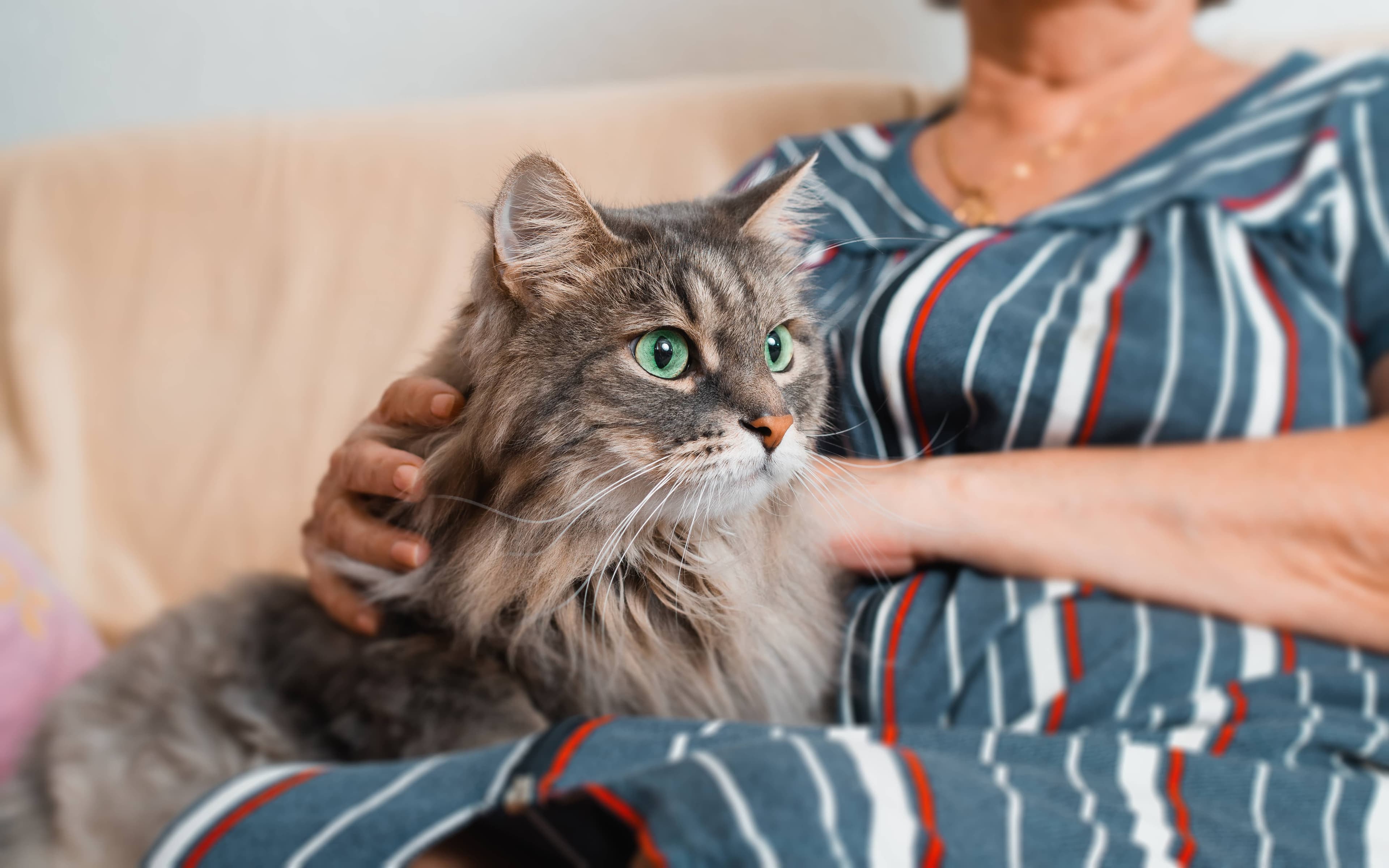
Is your pet silently suffering? Our furry friends can be masters of disguise when it comes to pain and illness. This is actually an evolutionary trait, inherited from their wild ancestors who needed to hide weakness from predators. Today, that translates to keeping common health conditions quiet – until they've progressed significantly.
As a pet owner, being aware of the signs of hidden ailments can help spot problems early enough to provide timely veterinarian care.
Dental Disease: A Hidden Epidemic
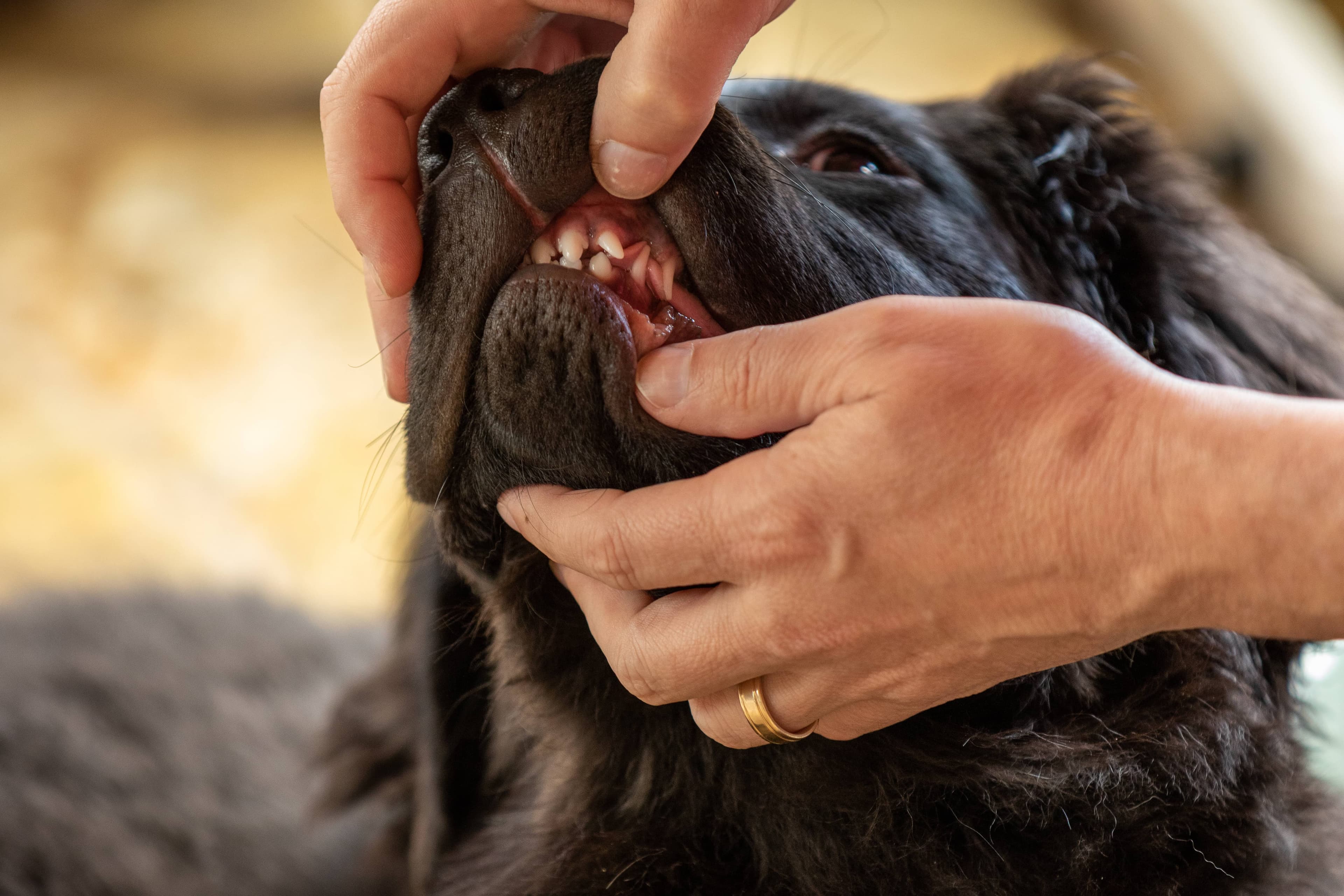
According to the American Veterinary Dental College, dental disease is affecting approximately 80% of dogs and 70% of cats, over the age of three. Despite its prevalence, most pet owners fail to recognize the signs because pets rarely stop eating – even when it becomes painful.
- •Watch for subtle indicators like preferring softer foods, not eating, chewing on one side of the mouth, pawing at the face, excessive drooling, facial swelling, or unusually bad breath.
- •Brown or yellow tartar buildup on teeth, red or bleeding gums, and loose teeth are definite warning signs that require veterinary attention.
Left untreated, dental disease doesn't just cause oral pain—bacteria from infected gums can enter the bloodstream, causing damage to vital organs like the heart, liver, and kidneys.
Osteoarthritis: More Than Just Aging
A recent study published in Frontiers in Veterinary Science found that arthritis is affecting approximately 20% of dogs over a year old. The incidence increases dramatically in older animals. For cats, the condition is even more underdiagnosed, with research suggesting up to 90% of cats over twelve years old show radiographic evidence of degenerative joint disease.
Because arthritis develops gradually, pets often adapt and hide their symptoms so it may seem like normal aging to pet parents:
- •In dogs, watch for signs such as: reluctance to jump into cars or onto furniture, difficulty climbing stairs, stiffness or slow to rise after rest, and decreased interest in walks and physical activity.
- •In cats, watch for signs such as: not climbing onto their favorite perches, eliminating outside the litter box as climbing into their litter box becomes painful, grooming may be decreased and they may look unkempt or more matted than usual, and hiding more than usual.
If you notice any of these changes, consult a veterinarian right away. Modern pain management and treatment options help many pets enjoy a much better quality of life.
Chronic Kidney Disease: Frequent in Aging Felines
The International Renal Interest Society estimates that chronic kidney disease (CKD) affects 30-40% of cats over ten years old. However, symptoms often don't appear until 75% of kidney function is already lost. This silent progression makes early detection challenging but crucial.
- •Watch for the earliest signs: slightly increased water consumption, more frequent urination, decreased appetite, and occasional vomiting that owners might dismiss as hairballs.
- •More advanced symptoms: poor appetite, weight loss, ammonia-like odor in their breath, dehydration, and lethargy.
Annual or biannual bloodwork is recommended – especially for cats over seven. Early detection before obvious symptoms emerge can allow for changes in diet and medication to help slow CKD's progression.
Obesity Conditions: More Pets are Prone
According to the Association for Pet Obesity Prevention, approximately 59% of dogs and 61% of cats in the United States are overweight or obese. Excess weight gain is contributing to rising rates in diabetes, heart disease, and joint problems in pets.
Because changes are gradual, many owners miss the sign a pet is overweight, instead accepting it as the "new normal."
- •You should be able to feel your pet's ribs easily without pressing hard, and they should have a visible waist when viewed from above.
- •You can also weigh your pet regularly and have set rules about treats.
If you're unsure, schedule a veterinarian appointment to assess your pet's body condition score (BCS).
When Vet Care is Vital
Your pet is depending on you to recognize subtle signs of illness that they are attempting to hide. Remember, we've learned the value of medical care, but our furry friends are creatures of evolutionary habit. They may be holding back symptoms like they are still trying to survive in the wild.
Here's when to seek veterinary care:
- •Changes in appetite, water consumption, elimination habits, energy levels, or mobility.
- •Behavioral shifts, like increased hiding, irritability, or withdrawal from family activities (this is often a sign of discomfort).
- •Annual wellness exams can help with early detection of conditions that may be developing silently.
By staying vigilant and maintaining regular veterinary visits, you increase the chances of catching common health conditions early before they take years away from your companion's life.
Noticing symptoms listed above? Have questions about these or other health conditions? Schedule an online veterinarian appointment today.