Is Your Pet's Weight Healthy?


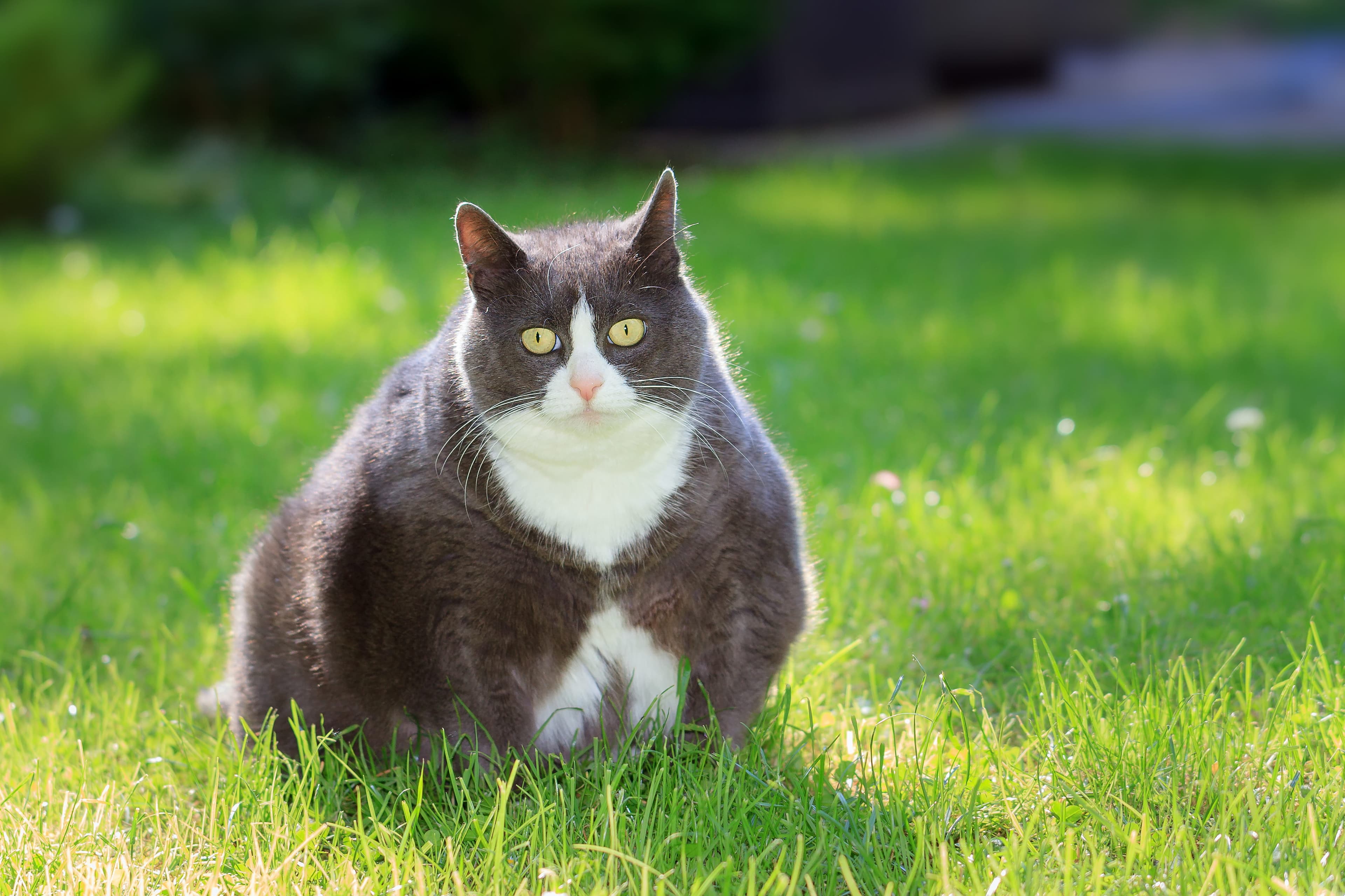
If your new year's resolution is to lose weight or adopt healthier habits, consider including the family pet in your plans. Pet obesity has grown in recent years from an occasional concern to a top health threat facing companion animals today.
According to the Association for Pet Obesity Prevention (APOP), 59% of dogs and 61% of cats in the United States are overweight or obese. Many pet owners are not aware that the extra pounds can cause major health issues – and shorten a pet's life. Fortunately, there are steps you can take to ensure your pet maintains a healthy weight.
A Silent Epidemic with Serious Consequences
Just like humans, extra pounds produce a cascade of health problems over time. These include an increased risk of:
- Orthopedic disease
- Diabetes mellitus
- Cardiorespiratory disease
- Urinary disorders
- Reproductive disorders
- Cancers
- Dermatological diseases
- Anesthetic complications
Studies, including one from the American Kennel Club, have shown that even modest excess weight is associated with a reduced lifespan and increased risk of heart, kidney and liver disease, diabetes, arthritis, and cancer.
For small breed dogs, just three extra pounds can be equivalent to a human gaining thirty pounds—a staggering proportion that many owners fail to recognize.
For cats, the big risk is osteoarthritis. A study from CARE (Canine Arthritis Resources & Education) showed 61% of cats showed radiographic evidence of OA, which is often linked to excess weight. Unfortunately, many owners attribute behavior changes to aging, rather than painful arthritis in their cats that is caused by preventable weight gain.
Disconnect: Perception and Reality
One of the biggest challenges in addressing pet obesity is a massive gap between veterinary assessment and owner perception. APOP surveys show just 28% of cat owners and 17% of dog owners acknowledge a pet is overweight, despite much higher rates assessed by vets. This disconnect is a major barrier in getting necessary treatment —you can't address a problem you don't recognize exists. And when weight gain happens gradually, pet owners may not see the change in their furry friend, delaying the necessary steps to start shedding pounds.
Like physicians, veterinarians struggle to discuss weight with pet owners. APOP reports that 84% of veterinary professionals reported a pet owner seemed embarrassed or angry after being told a pet is overweight or needed to lose weight. Fear of negative reactions can prevent some vets from having crucial conversations about a pet's health.
However, the reality is quite different from our fears. In the same study, just 12% of pet owners reported feeling uncomfortable or embarrassed about a veterinary or veterinary staff member saying a pet needs to lose weight or is obese. One way to address this communication gap is to be proactive. At your next vet appointment, ask about healthy weight. A quick telehealth visit can also help decide if a pet needs a plan to slim down.
Body Condition Scoring (BCS)
For many pet owners, it is tough to know if a pet is overweight. We see our animals every day, and gradual weight gain can go unnoticed. Body Condition Scoring (BCS) is a valuable tool for pet owners and veterinarians to determine a pet's ideal weight.
Veterinarians use standardized BCS systems—typically a 9-point scale where 4-5 represents ideal body condition, 1-3 indicates underweight, and 6-9 signals overweight to obese. An ideal score of 4-5 on the 9-point scale means ribs are easily palpable without pressure, while scores above 5 each correspond to roughly 10-15% excess body weight.
You can assess your pet's body condition at home by examining three key areas:
- Run your fingers gently along your pet's ribcage. You should easily feel the ribs beneath a thin layer of fat. Think of it like touching your knuckles: if the ribs feel like knuckles on a closed fist, your pet is underweight; if they feel like knuckles on your palm, your pet is overweight; ideally, they should feel like knuckles when your hand rests flat.
- View your pet from above. A healthy-weight pet should have a visible waist behind the ribs that tapers slightly toward the hips. If there's no waist or the body appears rounded or bulging, excess weight is likely present.
- Examine your pet from the side. You should see a slight upward tuck in the abdomen between the ribcage and hind legs—a hanging, bulging, or sagging belly indicates excess abdominal fat, which is particularly concerning as it's the most metabolically active and dangerous type of fat.
Make this simple check a monthly habit and record the results. Long-haired pets can be especially deceptive—that fluffy coat might be hiding significant weight gain. When in doubt, schedule a professional BCS evaluation with your veterinarian, who can provide an objective assessment and establish a baseline for monitoring. Online appointments are often a quick and cost-effective way to get a medical professional's opinion and suggested next steps.
Taming the Treat Temptation
One of the major contributors to pet obesity is the frequency and composition of pet treats. APOP reports 58% of dog owners and 12% of cat owners admitted to giving treats more than once a day, while an additional 24% of dogs and 18% of cats received treats at least once daily.
Whether it is a training tool, nutritional supplement or just a way to make your pet happy, discuss your treat frequency and choices with your vet to ensure you're doing what's best for your pet.
Wondering what healthy snacks to feed your pet?
Check out our blog post: Can Dogs Eat Strawberries and other Fruits? →Higher Weight = Higher Costs
The consequences of pet obesity extend beyond the examination room to your financial bottom line. Over time, owners with obese pets can face significantly higher veterinary costs on musculoskeletal conditions, diabetes, diabetes mellitus treatment, and more. This is in addition to the risk of reducing a pet's quality of life and shortening its lifespan.
Like humans, there is evidence that caloric restriction extends life. The landmark 14-year Purina/University of Pennsylvania study found Labrador Retrievers that were fed 25% fewer calories lived a median of 1.8 years longer.
Want to keep your pet a part of the family for as long as possible? Weight management is key.
Conversation & Commitment
While pet obesity is on the rise, it remains one of the most controllable medical conditions in veterinary medicine. Success requires a partnership between vet and pet owner, along with a commitment to regular weight assessments, appropriate portion control, increased physical activity, and in some cases, therapeutic weight-loss diets.
It starts with an honest conversation with your veterinarian about your pet's body condition score and ideal weight. Ask what a healthy body condition should look and feel like. Learn to accurately measure food portions rather than eyeballing them. And while those extra treats and table scraps are given with love, remember they may actually be shortening your time with a beloved companion.
Pet obesity isn't just a cosmetic issue—it's a disease with serious medical consequences. Through greater awareness, education, and action, pet owners can reverse this troubling trend, giving pets the healthy, active long lives they deserve.
To discuss your pet's health with a licensed veterinarian, schedule a convenient telehealth appointment today.