Not Using the Litterbox? What Your Cat Might be Telling You

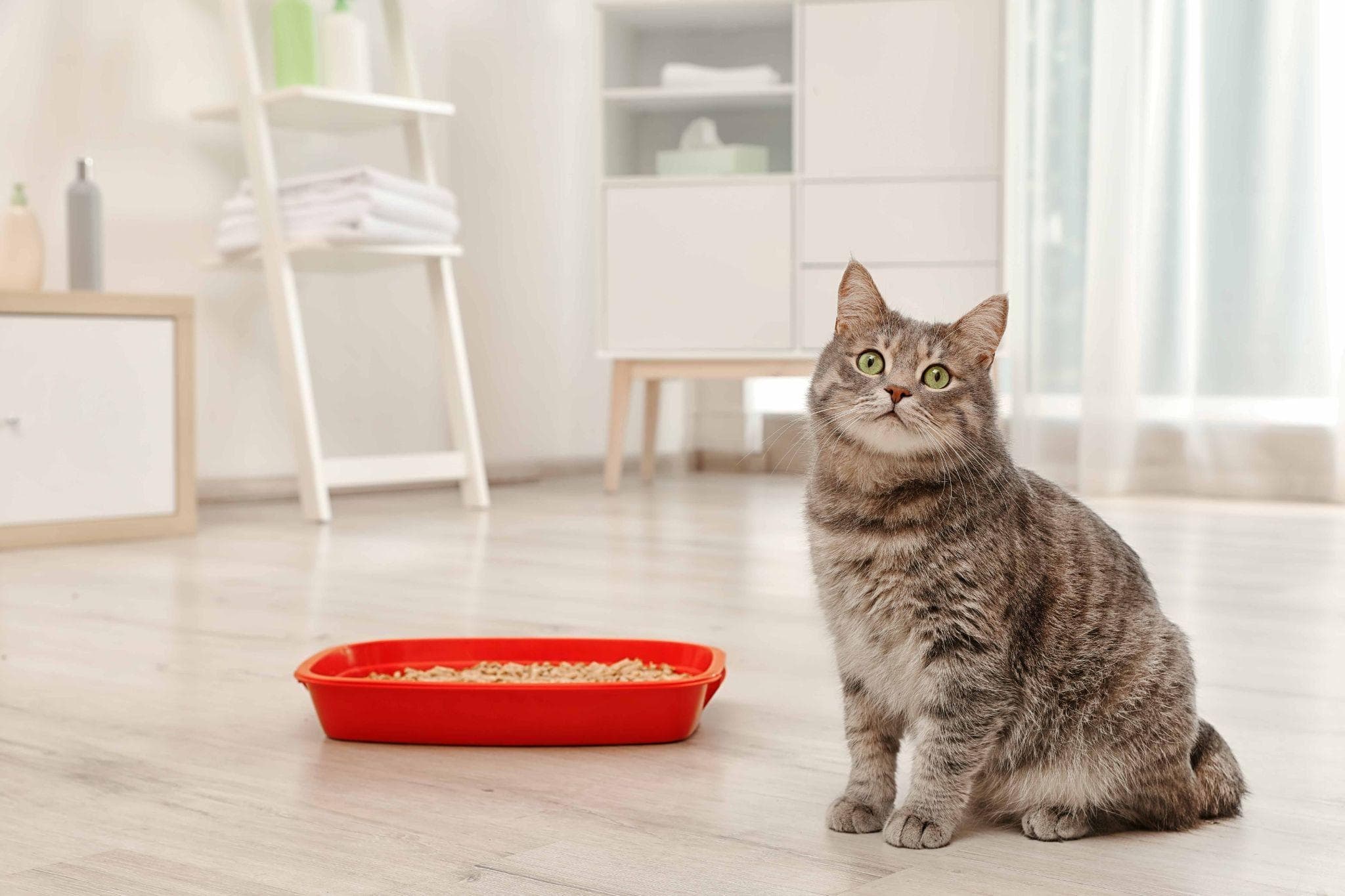
Few things are more frustrating than a cat peeing outside the litter box. But when your typically tidy feline suddenly starts avoiding their bathroom, it's not about being "bad"—it's often a sign that something's wrong.
In this article, Virtual VetDoc veterinarian Dr. Danielle Kuipers explains how to decode the message behind the mess.
First, Rule Out Medical Issues
Any sudden change in litter box habits should start with a vet visit. Urinating outside the box can be one of the first signs of a medical issue—and the longer it goes untreated, the worse it can become. According to Dr. Kuipers, potential problems include:
- Urinary tract infection (UTI)
- Feline lower urinary tract disease (FLUTD)
- Kidney disease
- Bladder stones
- Diabetes
Sadly, not using the litterbox is a common reason cats are left at shelters, according to Massachusetts Society for the Prevention and Cruelty to Animals. According to Dr. Kuipers, many of those cases can be linked to legitimate, but undiagnosed medical problems.
Cats may associate the litter box with pain and avoid it altogether—even after the medical issue is resolved—so early intervention is key.
Behavioral Triggers Are Common, Too
Once medical problems are ruled out, it's time to look at environmental and behavioral factors. Cats are creatures of habit, and even small disruptions can trigger litter box avoidance.
Common behavioral causes:
- Dirty litter box: Cats may refuse to use a box that's not scooped frequently
- New litter type or scent: Cats are sensitive to smell and texture
- Location issues: Boxes in high-traffic or noisy areas may be avoided
- Stress or anxiety: New pets, visitors, moving, or changes in routine
- Territorial behavior: Especially in multi-cat households
Are you providing good options? According to the Feline Veterinary Medical Association, a good rule of thumb for cat owners is to provide one litter box per cat, plus one extra, in different parts of the home.

How to Get Back on Track
There's no one-size-fits-all fix, but a few practical steps can help most cats return to their box:
- Keep it clean: Scoop at least once a day and wash the box weekly
- Avoid scented litter: Stick to unscented, clumping litter if possible
- Offer options: Multiple boxes in different locations and styles (covered vs. uncovered)
- Create calm: Use feline pheromone diffusers and provide hiding spaces
- Reduce competition: Separate boxes, bowls, and beds in multi-cat homes
Cats prefer quiet, low-traffic areas for their litter box, according to the ASPCA. Making sure the box is easily accessible is key, especially for older or arthritic cats.
When to Call the Vet
If you've tried cleaning, rearranging, and calming your cat without success, don't wait and hope the issue resolves itself. A virtual vet visit can help rule out subtler health problems—or refer you to a cat behavior specialist.
IMPORTANT:
Never punish your cat! Veterinarians will tell you it only increases stress and usually makes the problem worse.
Be on the Litter Box Lookout
Litter box issues are rarely about bad behavior—and almost always about unmet needs. Whether it's physical discomfort, stress, or a simple preference, your cat is trying to tell you something. With a little detective work (and possibly a vet check), you can restore peace—and cleanliness—to your home.
Need help troubleshooting? Our licensed vets are just a click away. Book a virtual visit today at VirtualVetDoc.com.