Five Common Questions About Cat Health, Answered by a Veterinarian


Cats have a reputation for being independent, but when it comes to their health, they rely on their owners to recognize when something isn’t quite right. Cats are masters at hiding pain and illness, which is why routine veterinary care and paying attention to subtle changes at home are so important.
Veterinarians often hear the same set of questions from cat owners. Whether you’ve recently adopted a kitten or you’ve shared your home with feline companions for years, understanding the basics of cat health can help your pet live a longer, happier life.
Here are five of the most common questions vets receive, along with answers every cat owner should know.
1. How often should my cat see a veterinarian?
Many people assume that indoor cats don’t need regular veterinary visits, but that’s a common misconception. Even cats that never step outside can develop health conditions that benefit from early detection.
In general:
- •Kittens should have several visits during their first few months for vaccinations, parasite prevention, and growth monitoring.
- •Healthy adult cats should receive a wellness exam once a year.
- •Senior cats (typically age 10 and older) often benefit from exams every six months, as age-related conditions can develop quickly.
Routine wellness exams allow a veterinarian to monitor your cat’s weight, dental health, heart, kidneys, joints and overall condition. Preventative care often catches problems before they become more serious and more expensive to treat. Common diseases your cat may experience include cancer, diabetes, feline immunodeficiency virus (FIV), feline leukemia virus (FeLV), heartworm, high-rise syndrome, kidney disease, gastrointestinal issues, hyperthyroidism, ringworm, upper respiratory infections, and worms.
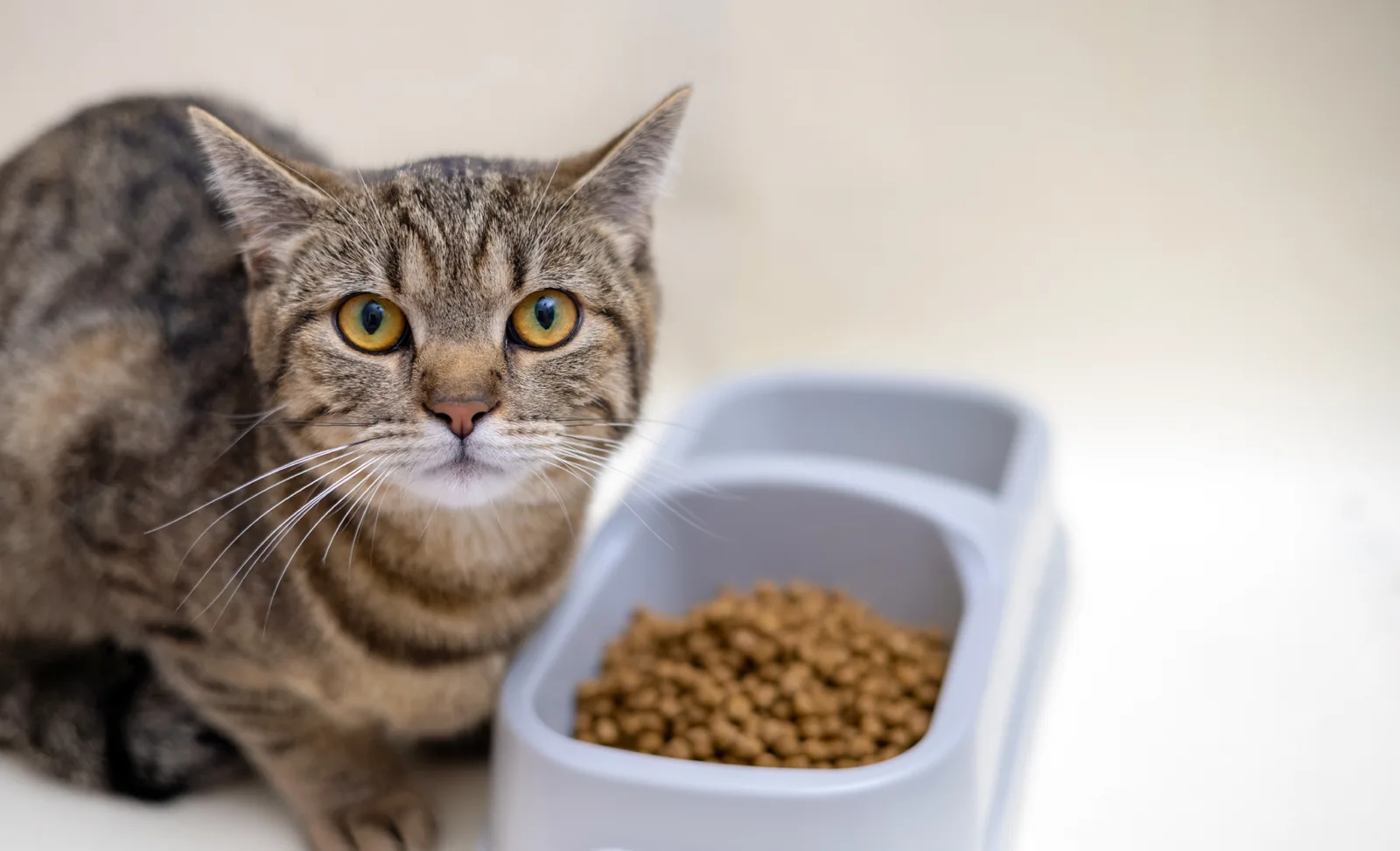
2. Why has my cat stopped eating?
Never ignore a decreased appetite in cats.
While dogs may occasionally skip a meal without concern, cats can become seriously ill if they stop eating for more than a day or two. In some cases, prolonged loss of appetite can lead to hepatic lipidosis, also known as fatty liver disease, which can be life-threatening.
There are many possible reasons a cat may stop eating, including:
- •Organ disease
- •Cancer
- •Significant gastrointestinal illness
- •Hairballs or digestive upset
- •Kidney disease
- •Congestive heart failure
- •Infections
- •Pain
- •Certain medications
If your cat refuses food for more than 24 hours (or sooner if they’re also vomiting, lethargic, or hiding), contact a veterinarian promptly.
3. Is my indoor cat really at risk for parasites?
Yes. Although indoor cats have a lower risk than outdoor cats, they are not completely protected from parasites. Fleas can hitch a ride indoors on clothing or other pets, mosquitoes can enter your home and transmit heartworms, and intestinal parasites can enter your cat’s body through contaminated shoes, insects or prey.
A veterinarian can recommend a parasite prevention plan based on your cat’s lifestyle and your local area. Keeping your cat on year-round prevention helps reduce risk of illness and protects both your pet and your household.
4. How can I tell if my cat is in pain?
Cats are experts at masking discomfort. In the wild, showing weakness could make them vulnerable, so they instinctively hide signs of illness or injury.
Instead of obvious crying or limping, you may notice subtle behavioral changes such as:
- •Sleeping more than usual
- •Hiding or avoiding family members
- •Reduced grooming or an unkempt coat
- •Difficulty jumping onto furniture
- •Changes in litter box habits
- •Decreased interest in play
If your cat’s behavior changes suddenly or seems unusual, don’t assume they’re simply “getting older.” Arthritis, dental disease, urinary problems, and many other conditions can cause pain that is often manageable with appropriate treatment.
5. How can I help my cat live a longer, healthier life?
While genetics play a role, many aspects of your cat’s health are within your control. Preventative care and healthy daily habits can make a significant difference over your cat’s lifetime. Some of the best things you can do include:
- •Schedule regular wellness exams.
- •Keep vaccinations current based on your veterinarian’s recommendations.
- •Provide year-round parasite prevention.
- •Feed a balanced diet and monitor your cat’s weight.
- •Encourage daily exercise with toys and interactive play.
- •Keep fresh water available at all times.
- •Provide environmental enrichment such as scratching posts, climbing spaces, and window perches.
- •Maintain good dental health through professional cleanings and home care when recommended.
- •Watch for changes in appetite, drinking, litter box habits, or behavior, and report concerns early.
Small changes are often the first sign that something is wrong, and early intervention frequently leads to better outcomes.
Your Cat Can’t Tell You When Something Is Wrong
Cats may be independent, but they depend on us to notice when they need help. Regular veterinary care, a healthy home environment, and paying attention to changes in behavior are some of the most effective ways to keep your feline companion healthy for years to come.
If you have questions about your cat’s health, we are here to help. If you’ve noticed changes in their appetite, behavior, or activity level, don’t wait to book a virtual vet appointment. Every cat is unique, and partnering with a Virtual VetDoc veterinarian is one of the most important investments you can make in your pet’s lifelong health!