When to See a Vet: Guide for Exotic Pet Owners

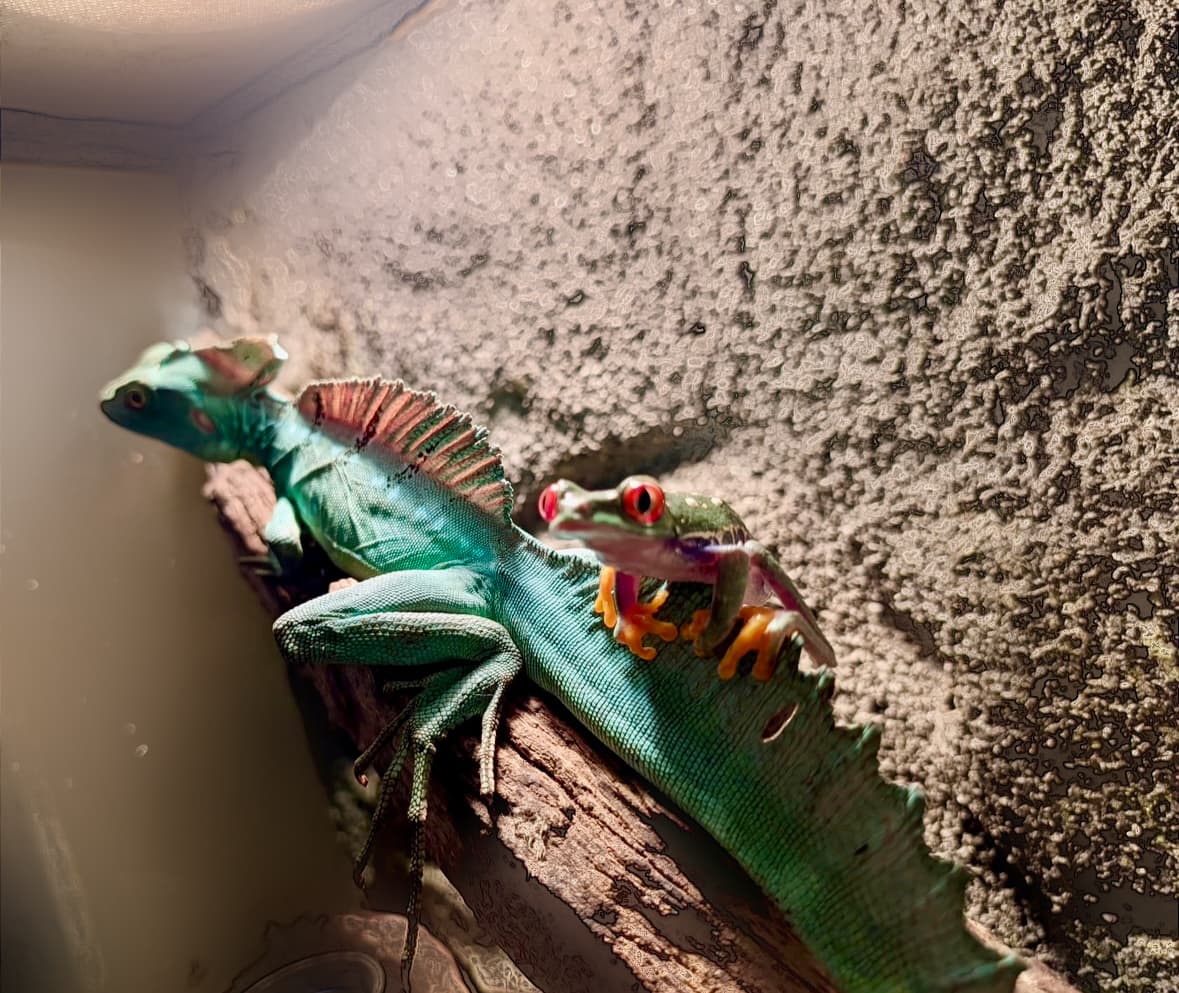
Exotic pets are rewarding companions — but they can require specialized care and owners that know what warning signs might be cause for a vet visit. Whether you are sharing your home with a bearded dragon, parrot or ball python, seeking veterinarian care can mean the difference between a minor issue and a life-threatening emergency. Often, a pet telemedicine visit can be a convenient first step in diagnosing an issue.
Exotic pets are having a moment. Cute videos of lizards and snakes, shared on popular platforms like YouTube and TikTok, are driving the popularity of exotics. According to data compiled by the American Veterinary Medical Association (AVMA), approximately 17.6 million exotic pets are kept across 9 million U.S. households. Reptiles make up 51% of that population with birds accounting for another 26%.
That's a significant share of American pet owners who may be unfamiliar with the specialized veterinary needs of their animals.
One thing to consider is that many exotic pets are prey species. That means through evolution, they've become hardwired to hide signs of illness until they can no longer mask them. By the time symptoms appear, a health problem may already be serious. That's why proactive veterinary care — and knowing what warning signs to look for — is important.
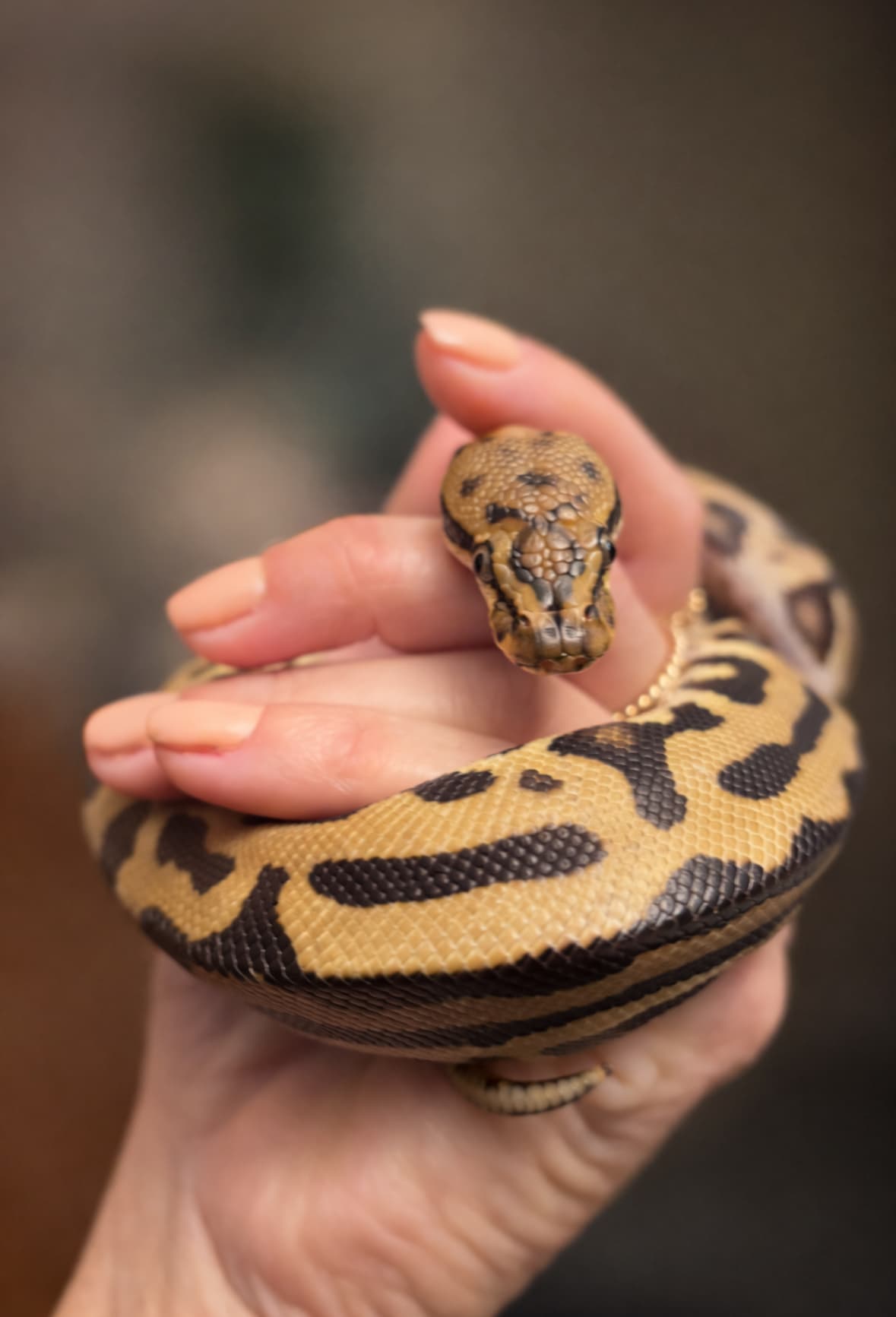
Start with a "Well Visit" — Even If Nothing Seems Wrong
The first thing any new exotic pet owner should do is find a veterinarian with specific exotic animal training. Not every vet has experience with reptiles, birds, or small mammals (Virtual VetDoc has vets who do). Once you have identified a vet, schedule a baseline wellness exam within the first few weeks of bringing your pet home.
At Virtual VetDoc, we offer affordable online vet services, and many new pet owners opt for a subscription, so they have access to a vet for several months or the first year.
Annual wellness visits are recommended for most exotic species, with more frequent checkups for older animals, who may require chronic condition care.
Nutrition: When Diet Becomes a Medical Issue
Nutritional deficiencies are among the most common — and preventable — causes of illness in exotic pets. The Merck Veterinary Manual identifies nutritional imbalances as a leading driver of disease in captive reptiles, with calcium and Vitamin D3 deficiencies being among the most serious.
When to call the vet regarding nutrition:
- •Reptiles showing soft or rubbery bones, muscle tremors, or lethargy: These are classic signs of Metabolic Bone Disease (MBD). According to the Merck Veterinary Manual, Nutritional Secondary Hyperparathyroidism (NSHP) is the most common bone disease encountered in reptile practice, caused by poor diet or inadequate UVB lighting. A peer-reviewed paper in the Veterinary Clinics of North America: Exotic Animal Practice
- •Birds with poor feather quality or chronic infections: may be suffering from a Vitamin A deficiency — a condition the Merck Veterinary Manual notes is common in parrots fed an all-seed diet.
- •Rabbits or guinea pigs showing signs of dental overgrowth: Is your pet suddenly drooling, having difficulty eating or showing sudden weight loss? These symptoms are often the result of diets too low in hay, which is essential for wearing down these species' continuously growing teeth.
- •Unexplained weight loss, obesity, or a sudden change in appetite: Any of these symptoms should be cause for concern and warrant an appointment for nutritional review with your veterinarian.
Housing, Temperature, and Humidity: The Environment is Medicine for Exotics
For reptiles, amphibians, and many small mammals, the enclosure environment is the single most important factor in their health. The Merck Veterinary Manual specifically identifies inadequate thermal provision alongside poor diet as co-causes of MBD, and notes that inappropriate husbandry and nutrition can result in chronic debilitation, starvation, and death.
Consult a vet if you notice:
- •A snake or lizard that stops eating, appears sluggish, or makes a wheezing or crackling sound when breathing — these can indicate a respiratory infection caused by temperatures that are too cool or humidity that is too high or too low.
- •A turtle or tortoise developing a soft shell, sunken eyes, or refusing food — often caused by inadequate UVB exposure or incorrect basking temperatures.
- •An amphibian like a tree frog showing skin discoloration, lethargy, or tissue breakdown — a serious sign of a bacterial or fungal infection that can be caused by improper humidity or low-quality substrates.
- •A small mammal (ferret, rabbit, hedgehog) panting heavily or appearing disoriented in warm weather — many are extremely sensitive to heat and can experience dangerous heatstroke quickly.
What to Do If Something Seems Wrong
Because exotic animals can mask illness effectively, it's critical to know what "normal" looks like for your specific species — and to act quickly when something seems off. The AVMA notes that exotic pet owners face unique challenges in recognizing illness precisely because exotics are so skilled at concealing vulnerability.
Good rule of thumb: when in doubt, see a vet quickly.
Waiting even 24 hours to see if a problem resolves on its own may be dangerous with small animals, who can decline rapidly. A 2024 Gallup study found that 52% of pet owners had skipped needed veterinary care in the past year, with cost cited as the primary barrier — a pattern that is especially risky for exotic pets where decline can be sudden.
Always seek veterinary care right away if you observe:
- •Any change in droppings — color, consistency, frequency, or the presence of blood or mucus.
- •Labored, noisy, or open-mouth breathing in any species.
- •Sudden behavioral changes such as hiding excessively, unusual aggression, or becoming unnaturally still.
- •Visible lumps, bumps, or swellings anywhere on the body.
- •Discharge from the eyes, nose, or mouth.
- •Loss of balance, circling, head tilting, or seizure-like movements — common neurological warning signs in birds, rabbits, and reptiles.
- •Prolonged refusal to eat, especially in snakes (beyond a normal pre-shed period) and birds, who should eat daily.
Caring for Aging Exotic Pets
Exotic pets can live surprisingly long lives — some parrots exceed 50 years, tortoises can outlive their owners, and even smaller animals like rabbits commonly reach 10–12 years. As pets age, their veterinary needs change significantly.
Senior reptiles may develop chronic conditions such as kidney disease, gout, or reproductive issues (particularly egg-binding in females). Aging birds are prone to liver disease, arthritis, and tumors — especially in species like budgerigars. Older rabbits and guinea pigs face dental disease, uterine cancer (in unspayed females), and gastrointestinal problems at higher rates than younger animals.
For animals in their senior years, twice-yearly vet visits are typically recommended. Blood panels and imaging can catch organ dysfunction before outward signs appear. Your vet can also advise on dietary adjustments. Chronic conditions may require modified diets in reptiles with kidney disease, including reduced protein levels to limit metabolic strain on compromised organs.
Set Your Vet Now - Before You Need One
As more people adopt exotic pets, it is important to understand the unique needs of your animal. The exotic companion animal veterinary market is valued at over $1.8 billion in North America and Europe in 2023 and projected to nearly double by 2033. While this reflects the growth in exotic pet ownership, it also shows increasing recognition that these breeds deserve specialized medical attention.
Don't wait until your pet is sick to try lining up a vet. Many pet owners subscribe to Virtual VetDoc for affordable, reliable, convenient care – and the peace of mind of seeing a vet quickly. This is especially valuable for exotic pets, who can decline rapidly and need specialized care.
When you set up a first-time wellness visit with your veterinarian, in-person or via telemedicine, ask about normal baselines for your species and what to watch out for. Sometimes, the climate you live in and changing seasons can be a factor.
When in doubt, speak to a vet. When it comes to animals that instinctively hide vulnerability, your attentiveness is their best protection.