A Guide to Safe and Healthy Exotic Pet Care

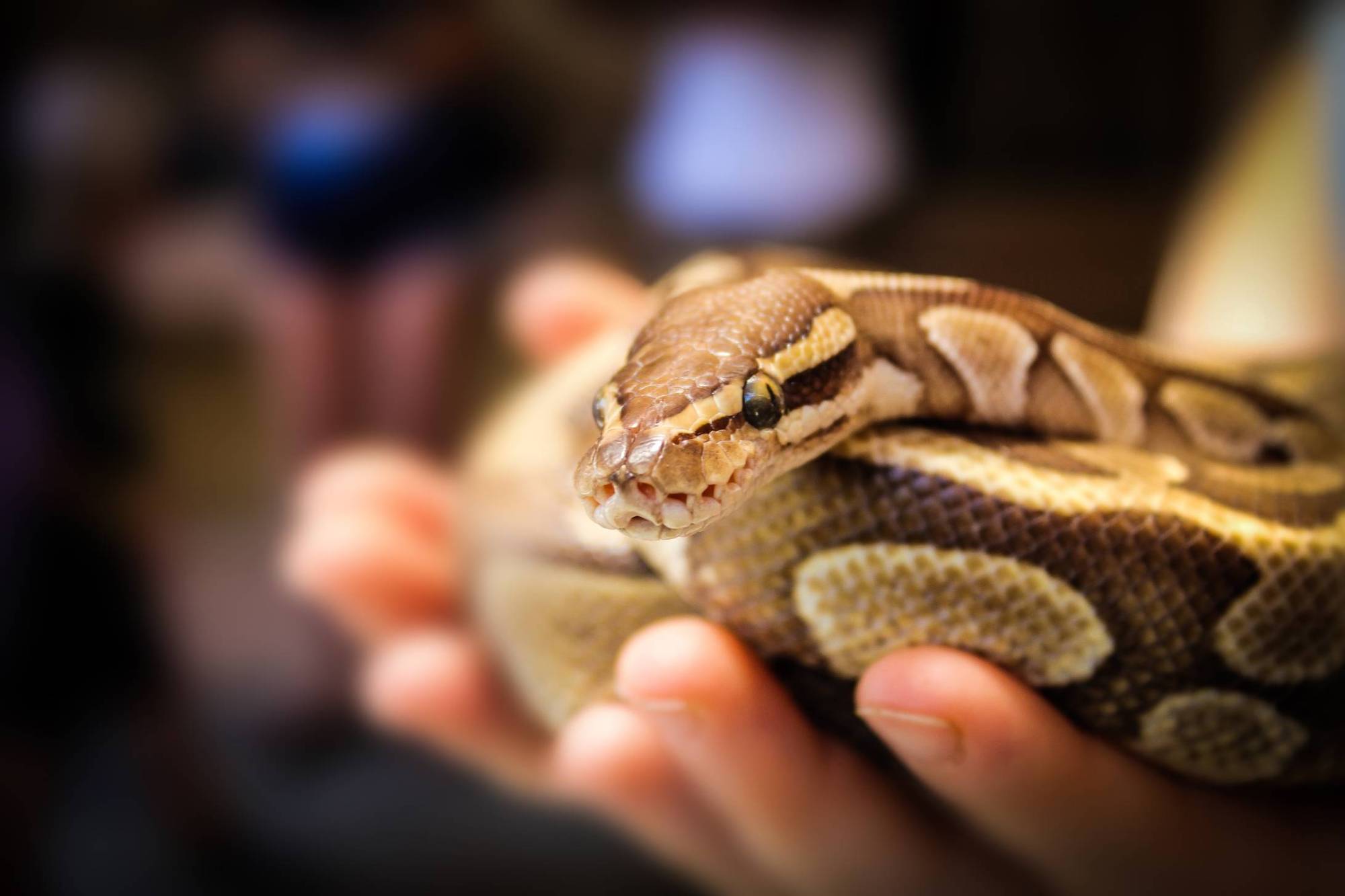
It's a sssspooktacular season to talk about exotic pets, who bring so much personality and companionship to our homes. Along with everything we "toad-ally" enjoy about them, exotic pets also have unique needs that can be easy to overlook. Whether you share your home with a rabbit, guinea pig, hamster, bird, reptile, or another small or exotic companion, proper nutrition, a clean environment, appropriate bedding, and regular health monitoring are all essential to keeping them healthy. Remember: when it comes to exotic pets, prevention goes a long way!
Food: The Right Diet is the Foundation of Good Health
One of the most common mistakes exotic pet owners make is assuming that a food marketed for their species is automatically a complete diet. In reality, nutritional requirements can vary significantly between species, and even between life stages.
Rabbits and guinea pigs, for example, need diets that are very high in fiber, with grass hay making up an important part of their daily nutrition. Fresh vegetables can provide additional nutrients and variety, while pellets should generally be offered in appropriate amounts. Guinea pigs also require a reliable source of vitamin C because they cannot produce it on their own.
Birds need a balanced diet appropriate to their species rather than a diet consisting primarily of seeds. Many reptiles have equally specific dietary requirements, including the correct balance of prey, vegetables, and other foods (depending on the species). Some also require calcium and vitamin supplements.
Vet Tips
- •Avoid making sudden dietary changes
- •Be cautious about sharing human foods with your pets
- •Fresh, clean water should be available at all times
Cleaning: A Clean Habitat Helps Prevent Disease
Your pet's enclosure is essentially their entire world, so keeping it clean is an important part of preventive care. Waste, leftover food, and moisture can quickly create an environment where bacteria, fungi, and parasites thrive.
Spot-clean your pet's enclosure regularly by removing feces, soiled bedding, uneaten fresh foods, and other debris. Depending on the species and enclosure setup, you should also perform a more thorough cleaning on a regular schedule.
Vet Tips
- •Clean your pet's food and water dishes regularly
- •When cleaning, use pet-safe products without harsh chemicals and strong fragrances
- •Ask your veterinarian about an appropriate cleaning routine based on your pet's species and habitat
Bedding: Choose Safety Every Time
Bedding may seem like a simple choice, but the wrong material can cause respiratory, skin, or gastrointestinal problems.
For small mammals, choose a low-dust bedding designed specifically for their needs. Avoid heavily scented products and materials that can become excessively dusty. Cedar and some other aromatic wood products may release compounds that can irritate the respiratory system and should generally be avoided.
Paper-based bedding is often a good option for many small mammals, although the best choice depends on the individual species. Rabbits and guinea pigs also benefit from appropriate soft, absorbent areas and plenty of clean hay.
Reptile bedding, or substrate, is especially species-specific. A substrate that works well for one reptile may be inappropriate or even dangerous for another. Some substrates can be accidentally swallowed during feeding, while others may hold too much moisture or too little moisture for a particular species.
Vet Tips
- •Don't select bedding based on appearance or convenience
- •Always consider your pet's age, species, and natural habitat when selecting their bedding
- •If you're unsure, ask your veterinarian about making a bedding change
Illness: Know Your Pet's Normal
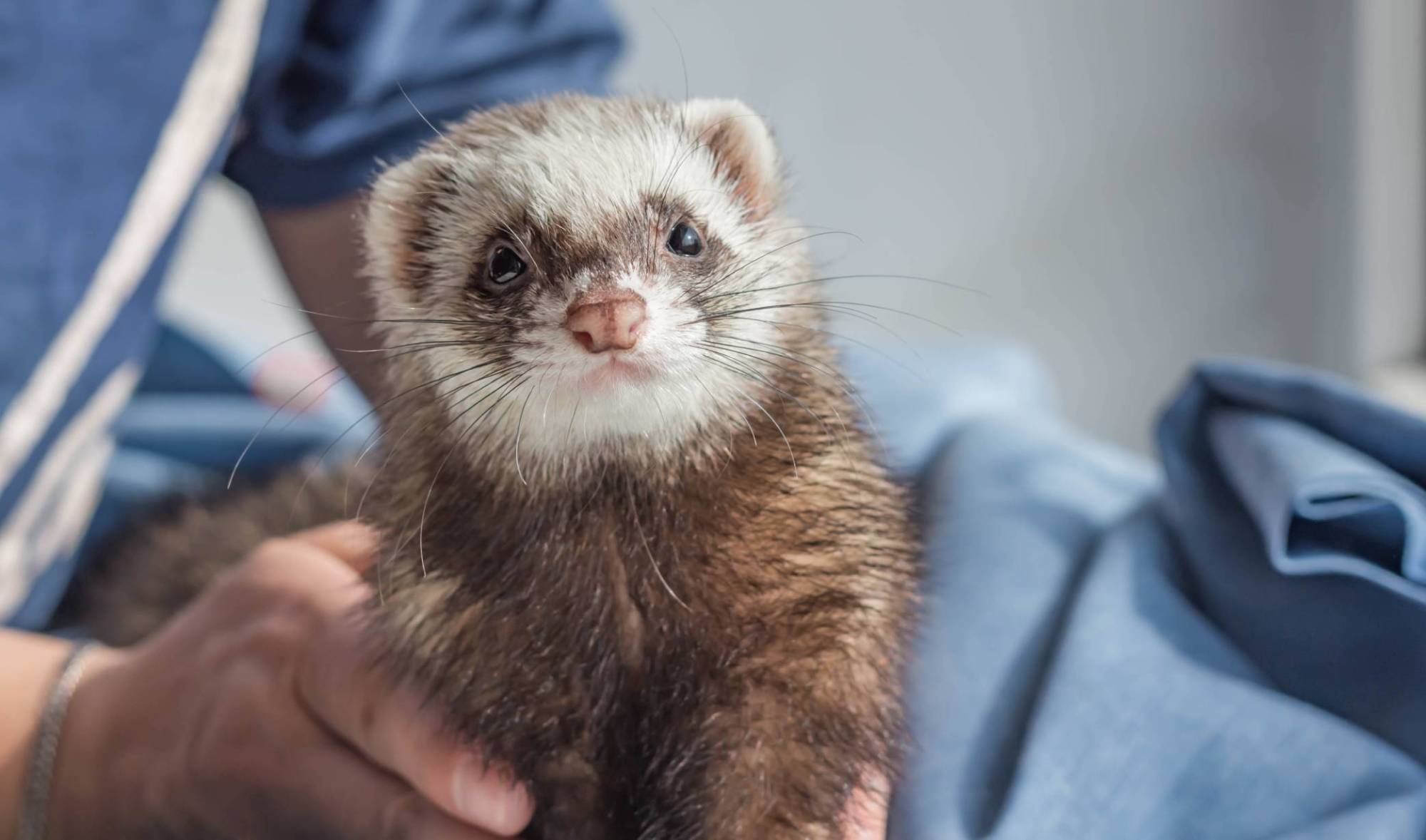
Exotic animals are often very good at hiding signs of illness. In the wild, showing weakness can make an animal vulnerable, so a pet may appear relatively normal even when something is wrong. That's why knowing your pet's typical behavior is so important.
Warning signs that warrant veterinary attention can include:
- •Not eating or a significant decrease in appetite
- •Changes in droppings or urination
- •Difficulty breathing or unusual respiratory sounds
- •Lethargy, weakness, or unusual hiding
- •Sudden changes in behavior
- •Weight loss
- •Discharge from the eyes, nose, or mouth
- •Swelling, wounds, or changes to the skin
- •Difficulty moving or maintaining balance
- •Vomiting or diarrhea, depending on the species
Vet Tips
- •For some exotic pets, even a relatively short period without eating can become serious
- •Regular veterinary examinations are an important part of exotic pet care
- •A veterinarian experienced in treating your particular species can establish a baseline for your pet's health and help you identify subtle changes early
A Healthy Home Starts With the Basics
Caring for an exotic animal requires understanding the specific needs of your pet, so don't just wing it! A balanced diet, clean and appropriate housing, safe bedding, and close attention to changes in health can make a big difference in your pet's well-being.
If something seems different about your pet, don't wait for the problem to become obvious. Exotic pets can deteriorate quickly, and early veterinary care can make a meaningful difference. When in doubt, contact a virtual veterinarian for guidance.