Common Health Problems in Rabbits and How to Prevent Them

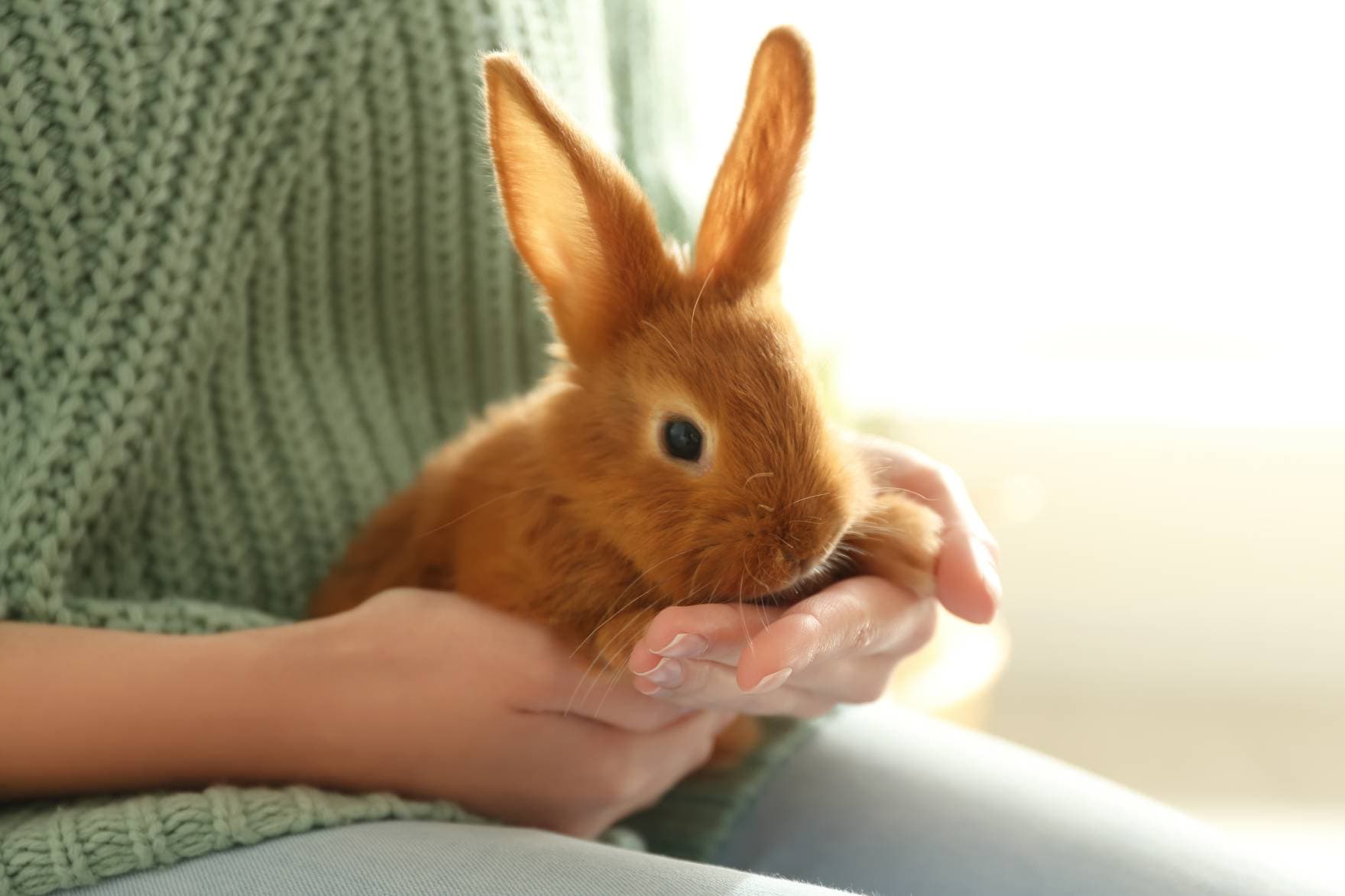
Rabbits can make wonderful companions, and they also have unique health needs that differ from those of dogs and cats. Because rabbits are prey animals, they may instinctively hide signs of illness until they are quite sick. That means knowing what is normal for your rabbit and recognizing subtle changes early are important parts of keeping them healthy.
Fortunately, many common rabbit health problems can be prevented or reduced through proper nutrition, regular veterinary care, good hygiene, and daily observation.
1. Gastrointestinal Stasis
Gastrointestinal stasis is one of the most important health concerns in rabbits. It occurs when the normal movement of food through the digestive tract slows significantly or stops. It can be associated with inadequate fiber intake, dental disease, pain, stress, dehydration, or another underlying illness. Additionally, GI stasis is frequently secondary to another problem rather than a primary disease itself. It can be directly related to dental disease, pain, urinary disease, obstruction, systemic illness, stress, and more.
Signs may include decreased appetite, fewer or smaller droppings, lethargy, a hunched posture, abdominal discomfort, or teeth grinding.
How can you prevent it?
Feed a high-fiber diet with unlimited grass hay, provide fresh water at all times, and encourage daily activity. Avoid sudden changes in diet and make sure your rabbit has opportunities for exercise and enrichment. Regular veterinary examinations can also help identify problems, such as dental disease, that could cause a rabbit to stop eating.
Most importantly, don't "wait and see" if your rabbit stops eating. A rabbit that isn't eating can become seriously ill very quickly and should be evaluated by a veterinarian promptly.
2. Dental Disease
A rabbit's teeth grow continuously throughout its life. Normally, chewing fibrous foods such as hay helps keep the teeth appropriately worn down. If the teeth don't wear evenly, they can become overgrown or develop sharp points that injure the tongue, gums, or cheeks.
Dental disease can cause drooling, difficulty chewing, dropping food, weight loss, changes in appetite, or a wet chin. Some rabbits may simply become quieter than usual.
Prevention starts with diet.
Unlimited hay should be a major part of a rabbit's diet because it provides the long, fibrous chewing activity needed for healthy teeth. Pellets and treats should not replace hay. Your veterinarian should also examine your rabbit's mouth during routine wellness visits.
3. Obesity
Just like dogs and cats, rabbits can become overweight. A diet that's too high in pellets, treats, or calorie-dense foods, combined with insufficient exercise, can contribute to obesity.
Extra weight can make it difficult for a rabbit to groom itself properly and may increase the risk of other health problems.
Prevention is essential for long-term health.
Make hay the foundation of your rabbit's diet, measure pellet portions appropriately, and limit high-sugar treats. Fresh leafy greens can be an important part of a balanced adult rabbit diet, while foods such as carrots and fruit should be offered sparingly because of their sugar content.
Your veterinarian can help determine whether your rabbit is at an ideal body weight and recommend a feeding plan based on age, breed, activity level, and overall health.
4. Respiratory Problems
Rabbits can develop respiratory infections, which may cause sneezing, nasal discharge, difficulty breathing, lethargy, or decreased appetite. Respiratory disease can become serious, particularly because breathing problems and the resulting stress may cause a rabbit to stop eating. Respiratory infections are among the more common health problems seen in rabbits.
Cleanliness is key.
Some of the best ways to prevent respiratory infections in rabbits include maintaining a clean, well-ventilated living environment and avoiding exposure to cigarette smoke, strong fragrances, dusty bedding, and other respiratory irritants.
If your rabbit is having difficulty breathing, this should be considered an emergency.
5. Heat Stress
Rabbits are particularly sensitive to high temperatures. Heat stress can become life-threatening, especially in hot, humid weather.
Hydration and ventilation help rabbits thrive.
Keep your rabbit in a cool, well-ventilated environment and provide access to fresh water. Never leave a rabbit in a parked car, and use extra caution with outdoor housing during hot weather.
Signs of heat stress can include rapid breathing, weakness, lethargy, drooling, or collapse. A rabbit showing signs of heat stress needs immediate veterinary attention.
Prevention Starts with Daily Observation
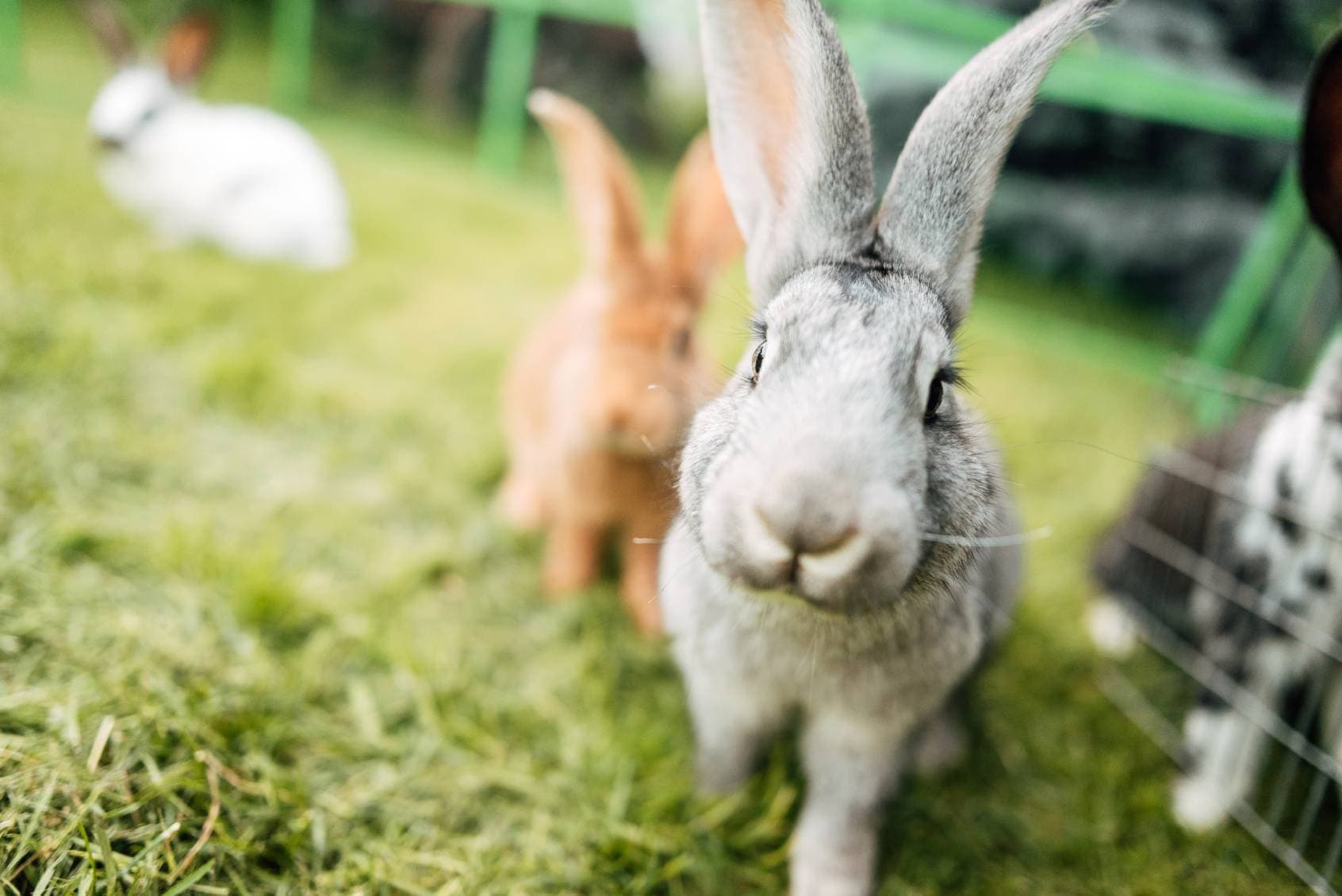
Perhaps the most important thing you can do for your rabbit is pay attention to what is normal for them. Additionally, every rabbit owner should know the common signs of illness in their pets:
- •Rectal temperature below 100°F or above 104°F warrants prompt veterinary attention
- •Secretions from the nose or eyes
- •Fur loss or red, swollen skin
- •Blood in the urine, straining to urinate, or changes in urination
- •Loss of energy
- •Loss of appetite or weight
- •Drooling
- •Diarrhea or markedly decreased or absent droppings, particularly when accompanied by reduced appetite
- •Not hopping or moving normally
- •Trouble breathing
Remember: rabbits are experts at hiding illness. By the time a rabbit looks obviously sick, a medical problem may already be advanced. A healthy diet, unlimited hay, appropriate exercise, a clean environment and routine veterinary care can go a long way toward preventing common health problems and helping your rabbit enjoy a long, happy life. If you're concerned about your rabbit, need help managing their chronic conditions, or need a virtual veterinarian to complete their annual wellness visit, book an appointment with one of our virtual vets today.