Backyard Chickens 101: Top 10 Things to Know Before You Buy Backyard Chickens

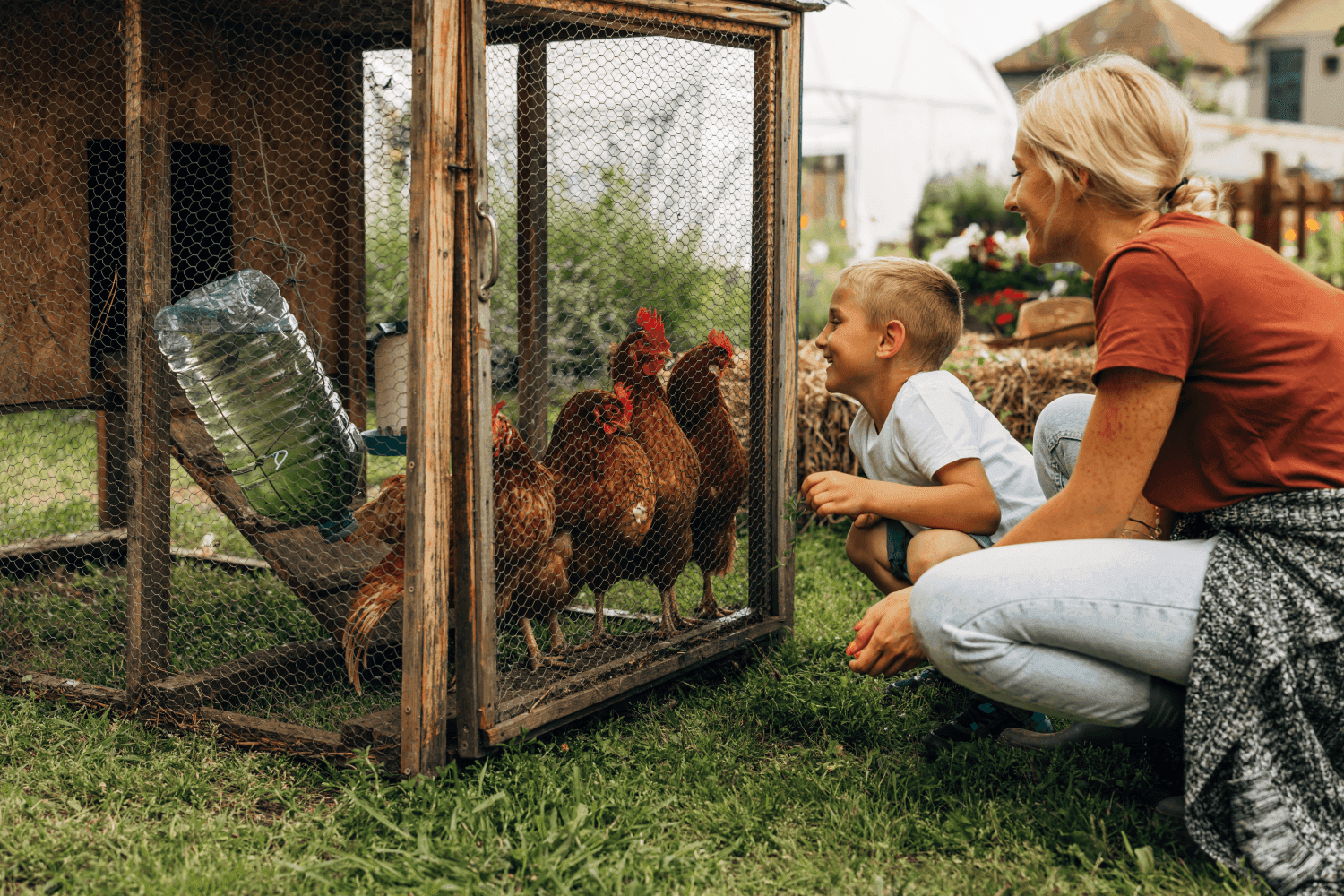
They aren't just a homestead hobby anymore – backyard chickens are now the third most popular pet in the country after dogs and cats. While higher egg prices pushed many to adopt a bird, the American Pet Products Association (APPA) estimates roughly 11 million U.S. households now keep backyard chickens.
A 2024 study found that 13% of U.S. households collectively own an estimated 85 million backyard chickens, with the average owner keeping about five birds. Tractor Supply reports that among the company's 34 million customers involved in its loyalty program, one in five owns chickens.
Thinking about joining the flock?
Veterinarians know it takes more than just building a coop and tossing out feed to keep chickens – and your family – healthy. Here are the top ten things to know before you buy backyard chickens:
1. Chickens Are a Long-Term Commitment
A healthy hen can live eight to ten years or longer, so be sure you're ready to sign up for the long haul. That means years of daily care — feeding, watering, collecting eggs, and cleaning the coop — regardless of the weather or your schedule. Chickens require constant maintenance, and you shouldn't just get one (they do better with friends) so do your research and consider your family's lifestyle before signing up.
2. Set Up Before You Bring Birds Home
As mentioned above, chickens are social animals. They suffer when kept alone and isolated. We recommend owners purchase a minimum of three hens so they can establish a natural pecking order and keep each other company. Make sure your coop includes: adequate ventilation, protection from predators (raccoons, foxes, and hawks), nesting boxes, roosting bars, and at least 4 square feet of coop space and 8–10 square feet of outdoor run space per bird. A connected outdoor run adds another layer of wellbeing.
3. Salmonella Is Scary - Don't Hug Your Hen!
This is one of the most important health facts for any backyard flock owner to understand: chickens can carry Salmonella bacteria even when they look perfectly healthy and clean. When the CDC documented 17 multistate Salmonella outbreaks linked to backyard poultry in 2020 alone, they found over 1,700 illnesses and 333 hospitalizations across all 50 states. Most cases go unreported, so federal officials estimate the true number could be 30 times higher.
Three simple rules you can't break:
- •Immediately wash hands with soap and water after touching birds, eggs, or anything in the coop.
- •Always keep chickens outside of your kitchen (and the rest of the house, to be safe).
- •Never kiss or snuggle your hens, no matter how much you love them!
4. Don't Touch! Kids Under Five Shouldn't Handle Chicks
As much as they may love naming and caring for backyard chickens, younger children are at significantly higher risk for serious Salmonella illness. The Centers for Disease Control recommends that children under age five never handle chicks, ducklings, or other backyard poultry, and adults always supervise interaction older children have with the flock. A multi-state Salmonella outbreak in 2011 found that nearly half of all cases were in children five years of age or younger.
5. Sick Chicken: Know the Signs
Chickens are prey animals by instinct, which means they will instinctively hide signs of illness until they're very ill. The sooner you catch a health problem, the better the outcome. If in doubt, schedule a virtual appointment so a vet can take a look at the chicken in its habitat. Watch for these warning signs:
- •lethargy or unusual stillness
- •loss of appetite
- •changes in droppings (watery, bloody, or discolored)
- •labored breathing
- •discharge from the eyes or nostrils
- •swollen face or wattle
- •hen that stops laying unexpectedly
- •decreased egg production
- •tail-down posture
6. Find an Avian Vet Before You Need One
Most standard small-animal veterinarians do not treat chickens. You need to identify an avian vet — one experienced with poultry — before an emergency arises. The surge in backyard chicken ownership has overwhelmed avian veterinary practices in many areas, so establishing a relationship early is essential. This is a critical – and often overlooked – step in chicken care.
Our Virtual VetDoc team can help. Plan for at least one wellness exam per year. Common conditions your vet will screen for or treat include:
- •respiratory infections
- •internal laying (a painful condition in hens)
- •parasites such as mites and lice
- •bumblefoot (a bacterial infection of the foot pad)
- •egg binding (life-threatening if untreated)
7. Cluck Yeah! When to Call the Vet
Certain symptoms require immediate veterinary attention. Never wait on any of these symptoms. Hours can make the difference between a recoverable bird and a loss. They include:
- •Egg binding: hen straining to lay but producing no egg, sitting hunched or penguin-like
- •Prolapsed vent: tissue visible outside the cloaca opening
- •Severe respiratory distress: open-mouth breathing, gurgling, or wheezing
- •Sudden death or unexplained death of multiple birds: may signal contagious disease
- •Neurological symptoms: head tilting, loss of coordination, or seizures
- •Inability to stand
8. Nutrition Is Not That Simple
Commercial layer pellets form the foundation of a healthy diet and should make up around 90% of what your hens eat. The remaining 10% can be healthy treats like leafy greens, mealworms, or kitchen vegetable scraps. Avoid processed or salty foods, avocado, onion, and chocolate, which are toxic to chickens. Oyster shell should be offered free-choice as a calcium supplement to support strong eggshells and bone health. Fresh, clean water must be available at all times, as dehydration can set in quickly in hot weather.
9. Avian Flu Is a Growing Concern
H5N1 avian influenza has caused significant disruptions to both commercial and backyard flocks in recent years, contributing directly to the egg shortages that drove many people to start their own flocks in the first place. Backyard flocks can be infected through contact with wild birds, including migratory waterfowl.
Take simple biosecurity measures such as covering runs with netting, not sharing equipment with other flock owners, and quarantining any new birds for 30 days before introducing them to your flock. These steps can dramatically reduce the risk. If you notice sudden, unexplained death in multiple birds, contact your state's department of agriculture immediately.
10. Before You Buy: Check Local Chicken Laws
Before purchasing a single chick, always verify what's allowed in your municipality. A 2015 study found that 93% of the 150 most populated U.S. cities permit backyard chickens in some form, but the rules vary widely. Most urban and suburban ordinances cap flock sizes at around six hens, prohibit roosters due to noise, and require coops to be set back a certain distance from property lines and neighboring homes. Violations can result in fines — or worse, being forced to surrender your birds.
While many people enjoy backyard chickens and the fresh eggs they provide, it is important to remember they are living animals that require daily care, thoughtful nutrition, proactive health monitoring, and access to qualified veterinary care. Knowing what it takes to keep your flock healthy is important for you – and your chickens.
Have questions? Make an appointment with a Virtual VetDoc vet to get specific answers – before you buy your first chick.